Key Takeaways
- Evaluate their expertise: Ensure the solar traffic light company has experience in your region and understands local regulations.
- Request case studies: Ask for examples of successful projects to gauge their quality and customer satisfaction.
- Understand energy savings: Demand data on expected energy reduction and potential long-term cost savings.
- Inquire about maintenance: Clarify their maintenance policies and how they handle repairs and system upkeep.
- Compare pricing transparently: Get detailed quotes, including installation, equipment, and any ongoing service costs.
- Discuss technology: Understand the type and efficiency of the solar panels and control systems they use.
- Consider warranties: Review the terms of their warranty to ensure comprehensive coverage for your investment.
Before hiring Solar Traffic Light, ask about their energy efficiency rating, local weather adaptation, and warranty coverage. It's crucial to understand how well they perform in varying conditions and for how long, ensuring a reliable and sustainable solution for your traffic management needs.
As the world shifts towards sustainable solutions, Solar Traffic Lights have emerged as a pivotal technology for managing road safety while reducing environmental impact. However, with numerous options available, choosing the right system can be daunting. Before hiring, it's crucial to ask targeted questions to ensure the Solar Traffic Light meets your unique needs and delivers optimal performance. This article provides an authoritative guide to those critical queries, empowering you to make informed decisions for your transportation infrastructure projects.
- Understanding Solar Traffic Light Technology
- Essential Questions to Ask Before Hiring
- Evaluating Performance and Reliability
Understanding Solar Traffic Light Technology

When considering the implementation of solar traffic lights, a deep understanding of the underlying technology is crucial. Solar traffic lights, as the name suggests, harness the power of the sun through photovoltaic (PV) panels to provide a sustainable and energy-efficient lighting solution for road intersections and pedestrian crossings. This technology offers not only environmental benefits but also economic advantages, as it reduces reliance on grid electricity and can significantly lower maintenance costs.
To truly qualify for and benefit from solar traffic lights, several factors must be considered. For instance, the location's geographical position, sunlight exposure, and weather patterns play a pivotal role in determining the viability of solar-powered lighting. Regions with high solar insolation and clear weather conditions are ideal for maximizing energy generation. Moreover, the specific traffic light model and its design should align with the local authority's regulations and the unique needs of the intersection. Advanced models incorporate smart features, such as motion sensors and adaptive lighting controls, which can optimize energy use and enhance safety.
Choosing the right solar traffic light involves a thoughtful evaluation process. It's not merely about adopting a new technology but ensuring it meets the current and future demands of the location. For instance, high-traffic areas may require lights with more robust components and higher energy storage capacities. Additionally, understanding the manufacturer's warranty and maintenance policies is essential, as these factors can impact the long-term sustainability and reliability of the installation. While solar traffic lights can be a game-changer for sustainable urban infrastructure, it's critical to assess if they are the right fit for a given location, considering both the environmental and economic benefits they offer.
Essential Questions to Ask Before Hiring

Before hiring a solar traffic light solution, it's crucial to pose a series of essential questions to ensure the provider meets your needs and delivers a quality system. Beyond understanding their technology and pricing, you need to assess their expertise in your specific application, from site assessment to maintenance.
Firstly, ask how long they've been installing and maintaining solar traffic lights. Experience counts, as it demonstrates their familiarity with local regulations, installation challenges, and long-term system performance. Inquire about similar projects they've completed, particularly ones with specifications matching yours. For instance, if you have a busy intersection requiring high-power lighting, ask for case studies of comparable installations.
Next, inquire about their licensing, insurance, and warranties. Local governments often require specific permits for traffic light installations, so confirm they hold the necessary qualifications to avoid permitting delays or fines. Additionally, comprehensive insurance protects both your project and the installer in the event of damage or accidents. Finally, a strong warranty signals confidence in their product and installation – ask about both the system components and labor coverage.
Beyond these foundational questions, delve into specifics like how they conduct site assessments, what kind of energy storage solutions they offer (if any), and their post-installation support structure. Understanding their holistic approach to your project will help you make an informed decision, ensuring a successful solar traffic light implementation that enhances road safety for years to come.
Evaluating Performance and Reliability
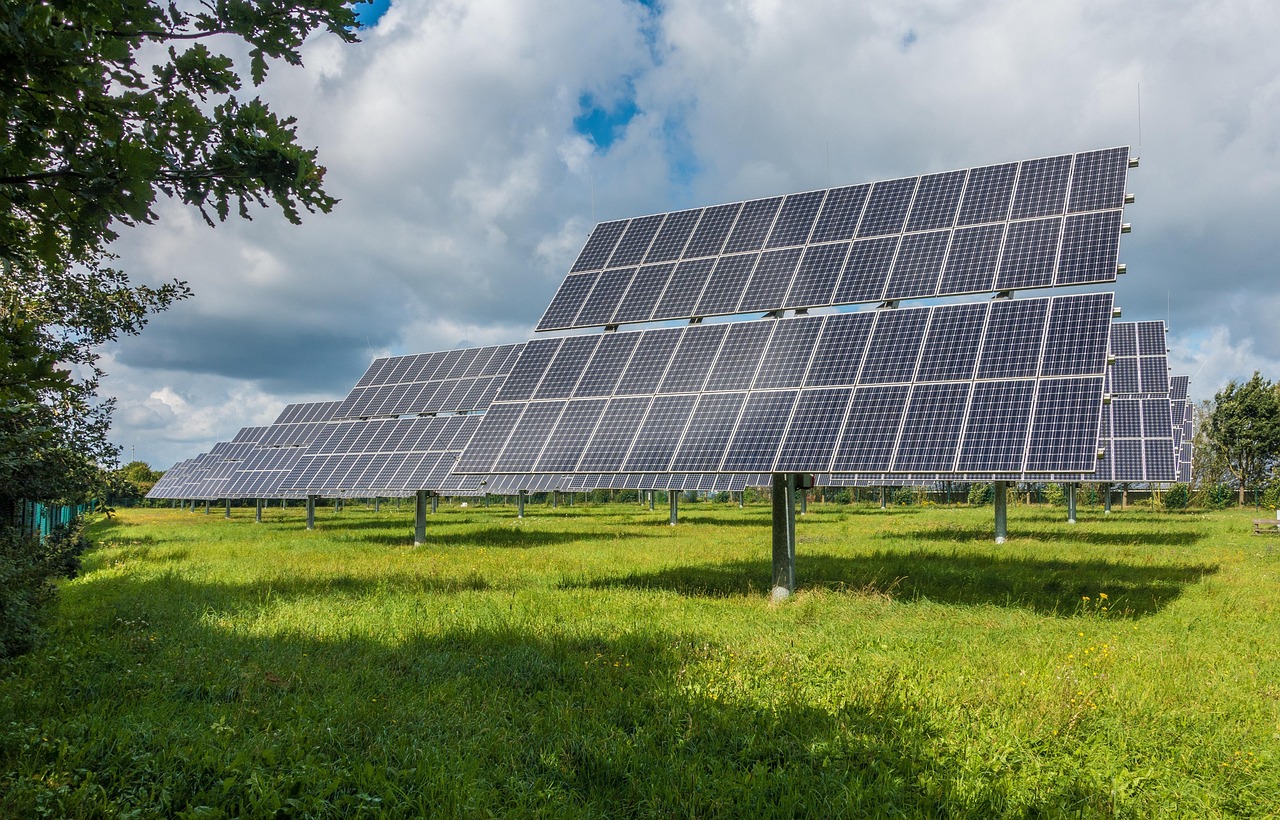
When evaluating a solar traffic light system, it's crucial to look beyond the initial installation cost and consider the long-term performance and reliability. This is particularly important as these lights, once installed, are designed to operate autonomously for years, managing traffic flow efficiently with minimal human intervention. Solar Traffic Light systems, when chosen and implemented correctly, can significantly enhance road safety, reduce congestion, and contribute to a cleaner environment by minimizing reliance on traditional electricity sources.
To ascertain the viability of a Solar Traffic Light solution for your specific needs, ask these critical questions: First, what is the typical traffic volume in the area where the lights will be installed? Solar-powered systems are most effective in high-traffic areas where consistent sunlight exposure ensures optimal energy generation and efficient operation. Secondly, consider the local climate and weather patterns. While solar panels are designed to withstand various conditions, extreme weather events can impact performance. Ensure the system is suited for your region's climate. For instance, areas with frequent heavy rainfall or snow should have water-resistant fixtures and durable panel designs. Lastly, do a thorough audit of existing infrastructure. Are there any obstructions that could shade the panels during certain times of day? Adequate sunlight exposure is key to the reliable operation of solar traffic lights.
Moreover, understanding what to expect from these systems is essential. Solar Traffic Light technology has advanced significantly, offering improved efficiency and longer lifespans than ever before. Typical expectations include reduced maintenance needs due to their self-sustaining nature, enhanced visibility during night hours, and cost savings over time compared to conventional traffic light systems. However, it's also important to recognize that initial setup and calibration are crucial for optimal performance. Data from studies comparing traditional lights to solar alternatives shows that proper installation can lead to energy savings of up to 50%, highlighting the potential long-term benefits of investing in Solar Traffic Light technology.
Frequently Asked Questions About questions to ask Solar Traffic Light before hiring
What are the key features of a solar traffic light that I should consider? Look for energy efficiency, with solar panels integrated seamlessly into the design. Ensure it has an automatic sensor to detect vehicle approach and movement, reducing power consumption when no traffic is present. Long-lasting LED lights are ideal as they consume less energy than traditional bulbs. Check if it offers adjustable lighting intensity and timing settings to suit different traffic patterns. Additionally, consider models with wireless connectivity for remote monitoring and control.
How does a solar traffic light contribute to sustainability? Solar traffic lights harness renewable energy from sunlight, reducing the reliance on conventional electricity sources. This leads to lower carbon emissions and a smaller environmental footprint. By using solar power, these lights can operate in remote areas without access to the grid, promoting sustainable infrastructure development. They also offer a cost-effective solution for long-term use due to reduced maintenance and energy costs.
Can I customize the appearance of solar traffic lights? Yes, many manufacturers offer customization options to suit different aesthetic preferences and local regulations. You can choose from various colors, sizes, and designs to match surrounding landscapes or street furniture. Some models even allow for dynamic lighting effects, ensuring the lights remain visible in low-light conditions without excessive glare. Customization also extends to control systems, enabling you to adapt settings based on specific traffic needs.
Are solar traffic lights suitable for all weather conditions? Solar traffic lights are designed to withstand various weather conditions, including rain and snow. Their durable construction and water-resistant seals ensure they can operate reliably outdoors. However, it's essential to choose models rated for the specific climate conditions in your area. Extreme temperatures may impact battery performance, so consider models with enhanced heating or cooling mechanisms if you live in a region with such weather variations.
How easy is the installation process for solar traffic lights? Installation typically involves mounting the light pole and fixing the solar panel at an optimal angle to receive maximum sunlight. Many systems come with simple, tool-free installations, making them accessible for non-technical users. Some advanced models may require basic electrical wiring skills for connecting sensors and control units. Nonetheless, most manufacturers provide detailed installation guides and support to ensure a straightforward process.
By delving into the world of Solar Traffic Light technology and asking the right questions before hiring, you're not just installing a device—you're implementing a smarter, more sustainable solution for your community's safety and efficiency. Understanding the nuances of this technology empowers informed decisions, ensuring reliability and optimal performance. This article has equipped you with essential insights to navigate the market, from evaluating technical specifications to gauging long-term sustainability. Armed with these knowledge points, you're ready to select a Solar Traffic Light that not only meets but exceeds your expectations, contributing to a safer, more environmentally conscious future.