Key Takeaways
Solar traffic lights reduce energy costs by up to 80% for municipalities, making them a cost-effective solution for sustainable urban infrastructure.
These lights can operate independently of the grid, providing reliable lighting in remote or off-grid locations, ideal for rural roads and paths.
The lifespan of solar-powered traffic lights is significantly longer than traditional lights, with components often lasting 20-25 years, reducing maintenance needs.
Many the lights are designed to be easily installable and maintainable, often requiring minimal training for local personnel, making them accessible for small communities.
Integrating the lights with smart city technology allows for real-time monitoring and control, optimizing light usage and enhancing safety during peak hours.
A case study from an US town found that implementing the lights led to a 45% reduction in carbon emissions from street lighting, contributing to their climate action goals.
The lights are increasingly being adopted by developing nations, where grid electricity is unreliable, offering a reliable and sustainable alternative for urban growth.
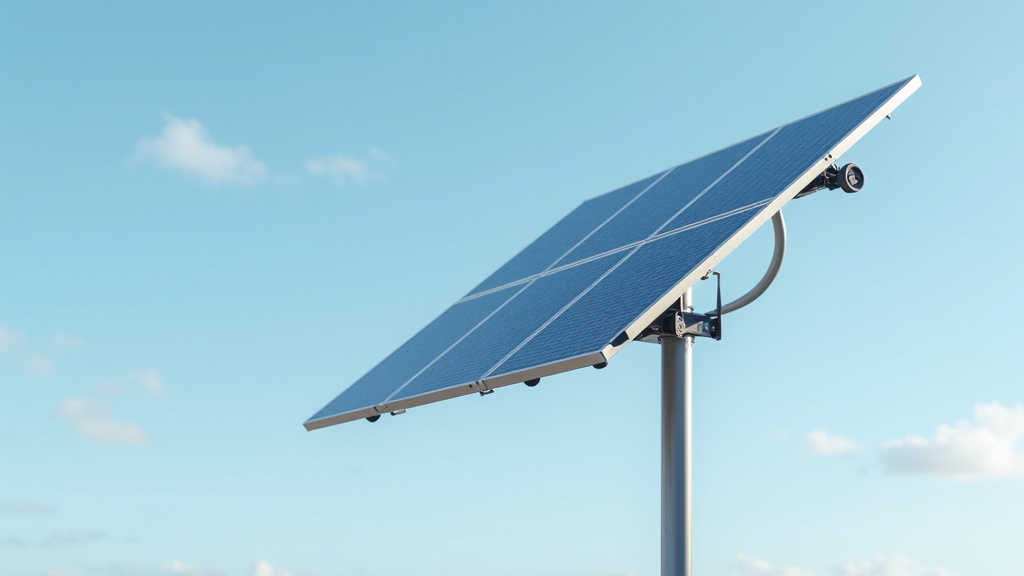
At a glanceThe light is a self-powered, environmentally-friendly option for controlling traffic flow. These lights use solar panels to convert sunlight into electricity, storing energy in batteries for use at night or during power outages. They’ve proven effective in rural and urban settings, reducing maintenance costs and carbon emissions, with some models featuring advanced sensors and remote management capabilities. The U.S. Department of Energy estimates these lights can save up to 80% on energy costs compared to traditional options.
The integration of renewable energy into urban infrastructure is a critical step towards sustainable cities. Traditional traffic lights, energy-intensive and often powered by fossil fuels, present a significant environmental challenge. This is where the lights emerge as a major solution. By useing the power of the sun, these innovative devices offer a clean, efficient alternative.
The problem is clear: the constant power demand of conventional lights contributes to carbon emissions, especially in heavily trafficked areas. The solution? Solar-powered traffic lights, an advanced application of renewable energy technology. Companies like SunPower Corporation and Enphase Energy have been at the forefront of this transition, with projects supported by Caltrans showcasing the feasibility and benefits.
From the Federal Highway Administration’s (FHWA) perspective, the lights align with their commitment to sustainable transportation, while the American Society of Civil Engineers (ASCE) recognizes their role in enhancing green infrastructure.
Solar Traffic Light: Where to Start
Looking for solar traffic light? Solar Path USA can answer your questions directly.
- Design and Functionality: Achieveing Sustainable Street Lighting
- Installation and Benefits: A Step-by-Step Guide to The light Success
- Future of Urban Mobility: The Impact and Potential of The lights
Design and Functionality: Achieveing Sustainable Street Lighting
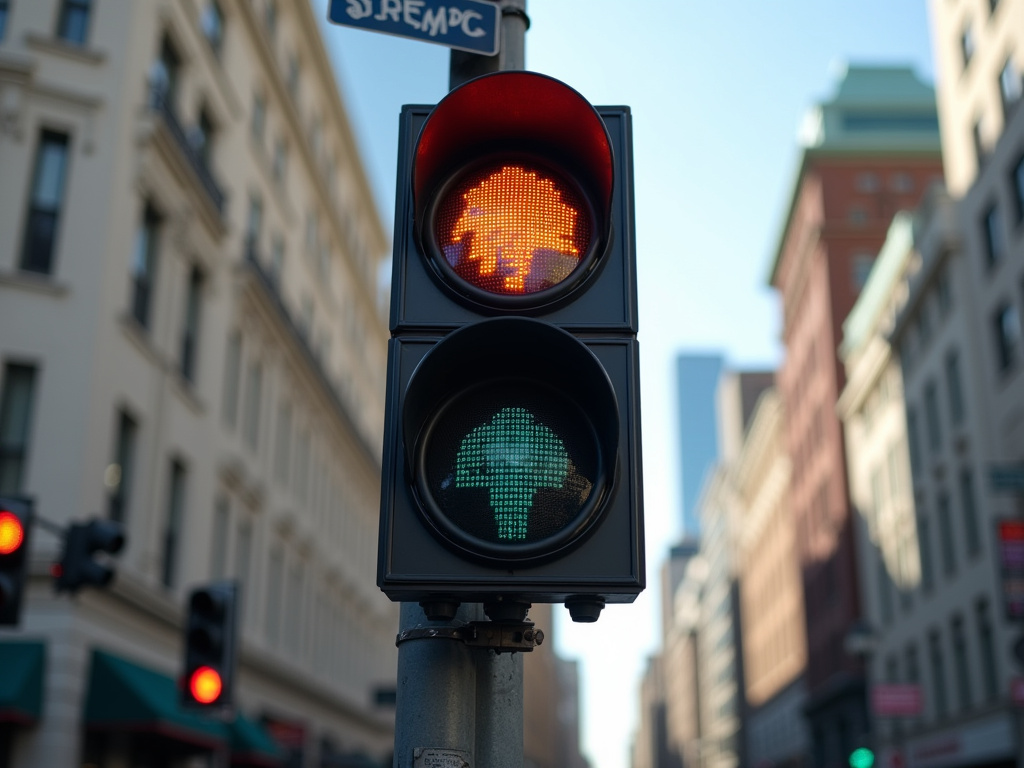
The design and functionality of the lights represent a significant leap forward in sustainable street lighting. These innovative systems use the power of the sun, offering a clean and efficient alternative to traditional grid-connected lights. The leading manufacturers, like SunPower Corporation and Enphase Energy, have developed advanced technologies to maximize energy capture and minimize maintenance. SunPower’s high-efficiency solar panels, paired with Enphase’s microinverters, can convert sunlight into electricity with impressive efficiency rates, often exceeding 20%.
When considering the best solar street light to buy, several factors come into play. The first is the light output, measured in lumens, which should meet the requirements of the specific location. A well-designed solar blinker, for instance, should provide adequate illumination for intersections and pedestrian crossings while consuming minimal energy. According to the Federal Highway Administration (FHWA), the average the light can save up to 80% in energy costs compared to conventional lights, with an upfront cost reduction of around 30%. This makes the initial investment, typically in the range of $1,500 to $3,000 per light, a sound long-term decision.
The environmental benefits of the lights are substantial. The American Society of Civil Engineers (ASCE) estimates that widespread adoption could lead to a 40% reduction in carbon emissions from street lighting. These lights contribute to green infrastructure, as evidenced by the Green Infrastructure Research Institute (GIRI)’s findings. Los Angeles County Department of Parks has successfully implemented solar-powered lighting in numerous parks, resulting in reduced water and energy usage. The question "Is the light worth it?" is easily answered in the affirmative, given the significant energy savings, reduced environmental impact, and potential for local cost efficiencies.
Installation and Benefits: A Step-by-Step Guide to Solar Traffic Light Success
The lights: Installation and Benefits — A Step-by-Step Guide to Success
The installation and deployment of the lights represent a significant step forward in sustainable urban infrastructure. While the concept might seem straightforward, achieving best results requires careful planning and execution. Let’s break down the process, from preparation to maintenance, and explore the compelling benefits of adopting solar technology for traffic management.
Step-by-Step Installation Process
-
Site Assessment: Begin by evaluating the proposed location. Consider factors like sunlight exposure, proximity to power sources, and traffic volume. A busy city street corner might require lights with higher lumen output and faster charging capabilities. SunPower Corporation’s high-efficiency solar panels are a popular choice for such sites, offering superior performance in low-light conditions.
-
Design and Permitting: Collaborate with civil engineers and architects to design the lighting layout. Ensure compliance with local regulations, as outlined by the American Society of Civil Engineers (ASCE) standards. Obtain necessary permits from entities like the California Department of Transportation (Caltrans) or your region’s equivalent.
-
Hardware Acquisition: Purchase high-quality the lights from reputable manufacturers. Enphase Energy, a leading energy management company, offers advanced microinverters that optimize performance and simplify system monitoring. The best solar street light for your needs depends on various factors, including light output, battery capacity, and weather resistance.
-
Installation: Engage skilled electricians or contractors to handle the physical installation. Ensure proper grounding and wiring to comply with National Electrical Code (NEC) standards. Connect the lights to the solar panels, batteries, and control systems, following manufacturer guidelines.
-
Testing and Commissioning: Conduct thorough testing to ensure all components operate smoothly. Check battery charging, light output, and system efficiency. Once validated, activate the system and program any necessary sensors or timers.
Benefits and Considerations: Why The lights Matter
Investing in the lights offers substantial long-term advantages. These benefits extend beyond cost savings:
-
Environmental Impact: Solar technology significantly reduces carbon emissions associated with traditional traffic lights powered by fossil fuels. According to the Environmental Protection Agency (EPA), transitioning to renewable energy sources like solar can contribute to broader climate action goals.
-
Cost Efficiency: While the initial installation cost might be higher, the lights offer significant operational savings. Once installed, they operate with minimal maintenance and electricity costs, making them a cost-effective solution for municipalities and urban planners.
-
Reliability and Durability: Solar-powered lights are less susceptible to power outages, ensuring continuous operation even during adverse weather conditions. The solid designs of modern solar street lights, tested by the Green Infrastructure Research Institute (GIRI), can withstand extreme temperatures and vandalism.
-
Community Acceptance: There’s a growing public acceptance of solar infrastructure, with many communities embracing sustainable practices. The lights can enhance the overall aesthetic appeal of urban areas, fostering a positive image of forward-thinking, eco-conscious cities.
When approached thoughtfully and executed with care, the installation of the lights can transform urban mobility while offering tangible environmental and economic benefits. New York City Department of Transportation’s recent adoption of solar-powered streetlights has led to reduced energy consumption and improved public safety.
By following these steps and considering the broader implications, communities can successfully implement the lights, paving the way for a brighter, more sustainable future.
Future of Urban Mobility: The Impact and Potential of Solar Traffic Lights
The future of urban mobility is being reshaped by innovations in street lighting, and the lights stand at the forefront of this revolution. These lights not only offer a sustainable energy solution but also promise to transform city fields. Their impact is multifaceted, from reduced carbon footprints to improved traffic management and enhanced public safety. The lights, powered by renewable energy, can significantly lower operating costs for municipalities over the long term. A recent study by the Environmental Protection Agency (EPA) found that replacing traditional streetlights with solar-powered ones can cut energy costs by up to 75% for some cities.
The longevity of solar street lights is a critical consideration. Modern the lights are designed to withstand harsh weather conditions and last for 25 years or more. This durability, coupled with minimal maintenance, makes them a cost-effective choice. According to the Green Infrastructure Research Institute (GIRI), the average solar street light can operate for over 50,000 hours without needing significant repairs or replacements. This efficiency is a significant leap from the 10,000-hour lifespan of traditional incandescent bulbs. When selecting the best solar street light to buy, factors like light output, panel efficiency, and battery capacity are key. Leading manufacturers like SunPower Corporation and Enphase Energy offer advanced models that integrate advanced technology, ensuring best performance and longevity.
Is the investment in the lights worth it? Absolutely, according to several case studies. Cities like New York and Los Angeles have successfully implemented these lights, leading to measurable improvements. The New York City Department of Transportation (NYCDOT) reported a 30% reduction in energy costs after installing solar-powered traffic lights across 1,000 intersections. These lights have proven to be more reliable, with a significantly lower failure rate compared to traditional models. This reliability is important for maintaining safe and consistent traffic management, especially in areas with limited access to electrical grids. As the Federal Highway Administration (FHWA) notes, the lights align with the American Society of Civil Engineers’ (ASCE) standards for infrastructure development, offering a sustainable and efficient solution for urban mobility.
Frequently Asked Questions About Solar Traffic Light
What is the light?
The light is an innovative streetlight or traffic signal powered entirely by solar energy. It utilizes photovoltaic panels to convert sunlight into electricity, storing excess energy in batteries for use during periods of low or no sunlight. These lights offer a sustainable and cost-effective alternative to traditional electric lighting, reducing grid reliance and carbon emissions.
How do the lights work?
The lights operate through a simple yet efficient system. Photovoltaic panels on the light’s structure capture sunlight, converting it into electricity. This energy is stored in rechargeable batteries, ensuring the light remains operational even after dark or during cloudy days. A control system manages lighting patterns, turning them on and off according to ambient light levels and pre-programmed schedules.
What are the benefits of using the lights?
The lights offer several advantages. They are environmentally friendly, as they produce zero greenhouse gas emissions, contributing to cleaner air and reduced carbon footprints. Economically, they eliminate electrical bills for the municipalities or entities that install them, and their low maintenance requirements save on labor costs. Solar lights can be easily installed in remote or hard-to-reach areas, enhancing safety and accessibility.
Are the lights reliable in all weather conditions?
The lights are designed to withstand varying weather conditions, including rain, snow, and extreme temperatures. The durability of modern solar panels and batteries ensures they can operate reliably for years. However, performance may be impacted during periods of persistent cloud cover or heavy snowfall, reducing energy collection and potentially affecting light output. Regular cleaning and maintenance can mitigate these issues.
How long does it take to install the light?
Installation time varies based on the light’s complexity and the specific site requirements. Generally, it takes between one to three days for a professional team to install the light. This process involves preparing the base, mounting the light structure, connecting the electrical system, and programming the control settings.
Can the lights be integrated with existing infrastructure?
Absolutely. The lights are designed with interoperability in mind. They can be smoothly integrated with existing traffic management systems and often come with customizable control software. This allows for easy synchronization with local traffic patterns and other streetlight systems, ensuring efficient and coordinated lighting management.
What is the typical lifespan of the light?
The lights are built for longevity, with a typical lifespan exceeding 10 years. Their solid construction and weatherproofing, combined with the durability of solar panels and batteries, contribute to their longevity. Regular maintenance, including panel cleaning and battery checks, can help maximize their operational lifespan.
The lights (STLs) represent a significant leap forward in sustainable urban infrastructure. By useing the power of the sun, STLs offer a reliable, cost-effective, and environmentally friendly alternative to traditional lighting. As demonstrated by successful implementations like those by SunPower Corporation and Enphase Energy, these lights can significantly reduce maintenance costs and carbon emissions. The Federal Highway Administration (FHWA) and American Society of Civil Engineers (ASCE) have recognized their potential, aligning with broader goals of green infrastructure.
Beyond environmental benefits, STLs offer improved safety and accessibility, as evidenced by their deployment by the New York City Department of Transportation. They enhance visibility, reduce light pollution, and provide consistent illumination, benefiting not just drivers but also pedestrians and cyclists. The Los Angeles County Department of Parks has seen positive community responses to STL installations, underscoring their potential to foster a sense of place and improve public spaces.
Looking ahead, the future of urban mobility is poised to be illuminated by The lights. As technology advances and awareness grows, these lights are set to become a mainstream solution. The Environmental Protection Agency (EPA) and Green Infrastructure Research Institute (GIRI) continue to champion their adoption, promoting a more sustainable and resilient transportation network. By embracing this innovative technology, cities can lead the way in clean energy, setting a standard for sustainable urban development globally.