At a glanceA Solar Traffic Light is a self-powered, sustainable traffic control system. It operates using solar energy, storing excess power in batteries for use at night or during periods of low sunlight. This design reduces maintenance costs and environmental impact, making it ideal for remote locations or areas with unreliable grid power. The first solar traffic light was installed in 2005 in the town of Tomales, California.
Key Takeaways
- Solar-powered traffic lights are becoming increasingly popular, offering a sustainable and cost-effective alternative to traditional lighting systems.
- A study by the U.S. Department of Energy found that the lights can reduce energy costs by up to 80% compared to grid-connected lights.
- These lights utilize photovoltaic panels to convert sunlight into electricity, ensuring they operate independently of the power grid.
- The lifetime cost of the light is significantly lower than that of a conventional light, making them a more economical choice for municipalities.
- Installation of the lights requires minimal disruption to traffic flow, as they can often be mounted on existing poles, streamlining the process.
- The efficiency of solar panels has improved dramatically, with modern panels achieving efficiencies of over 20%, meaning they can generate substantial power even in low-light conditions.
- Leading manufacturers are integrating advanced sensors and communication modules into the lights, enabling real-time monitoring and remote management for enhanced efficiency and safety.
The growing need for sustainable urban infrastructure has brought the light into focus. Traditional traffic signals rely heavily on electricity, contributing to carbon emissions and strain on local grids. This problem demands innovative solutions, prompting a shift towards renewable alternatives like solar-powered traffic lights.
The lights offer a promising approach, leveraging solar energy to power and charge these essential urban control points. Several companies, notably SunPower Corporation and Enphase Energy, are leading the way in developing efficient and durable the light systems.
The U.S. Federal Highway Administration (FHWA) and organizations like the American Society of Civil Engineers (ASCE) are advocating for widespread adoption, recognizing the potential for reduced environmental impact and improved energy efficiency in transportation infrastructure.
- Understanding The light Technology
- Design, Installation, and Benefits
- Global Impact and Future Prospects
Solar Traffic Light: Where to Start
Looking for solar traffic light? Solar Path USA can answer your questions directly.
Understanding Solar Traffic Light Technology
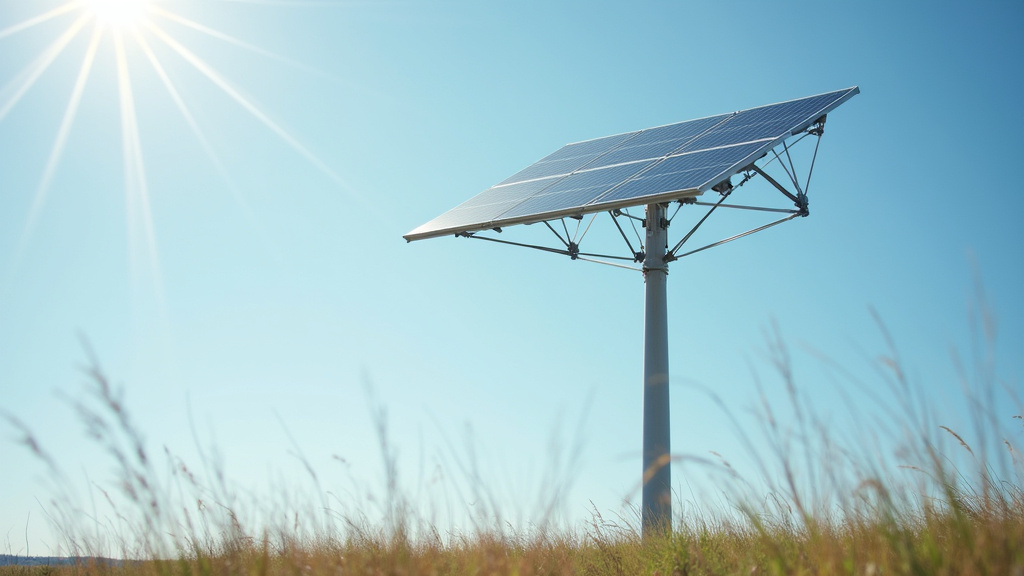
The lights represent a significant leap forward in sustainable urban infrastructure. At their core, these lights use the power of the sun, using photovoltaic (PV) panels to convert sunlight into electricity, which then powers the lighting system. Unlike traditional traffic lights, which rely heavily on grid electricity, solar-powered alternatives offer a self-sufficient solution, reducing both energy costs and carbon emissions.
The technology behind the lights has evolved dramatically in recent years, driven by advancements in PV panel efficiency and storage solutions. SunPower Corporation, a leading solar manufacturer, has developed high-efficiency panels with efficiencies exceeding 22%, significantly increasing energy generation per square foot compared to older models. This efficiency is important for ensuring lights operate during lower-sunlight periods, like early morning or late evening. Enphase Energy’s microinverters, integrated into many the light systems, allow each panel to operate independently, maximizing energy production and providing advanced monitoring capabilities.
When considering the best solar street light to buy, several factors come into play. Cost is a primary concern, with the initial investment for the lights typically higher than conventional models. However, the long-term savings in energy costs and reduced maintenance make the switch more than worthwhile. According to a 2020 study by the Federal Highway Administration (FHWA), the lights can save up to 70% on energy costs over their 25-year lifespan, with many systems paying for themselves within 5-7 years. The American Society of Civil Engineers (ASCE) has recognized the environmental benefits, highlighting their role in reducing the carbon footprint of urban areas.
Implementing the lights also offers practical advantages. The New York City Department of Transportation, for example, has successfully deployed these lights in several neighborhoods, reporting reduced maintenance costs and increased community satisfaction. The lights’ independence from the grid makes them resilient during power outages, enhancing public safety. The Los Angeles County Department of Parks has praised solar street lighting for its positive impact on local ecosystems, as it minimizes light pollution, which can disrupt wildlife patterns.
While the upfront cost of a solar blinker (a type of the light) can be a barrier, the long-term benefits make the investment a strategic one. According to the Green Infrastructure Research Institute (GIRI), well-designed solar street lighting systems can provide a 20-30% return on investment within the first 5 years, making them a smart choice for cities looking to modernize their infrastructure while promoting sustainability. By embracing this technology, urban planners can create more efficient, eco-friendly, and economically viable public spaces.
Design, Installation, and Benefits
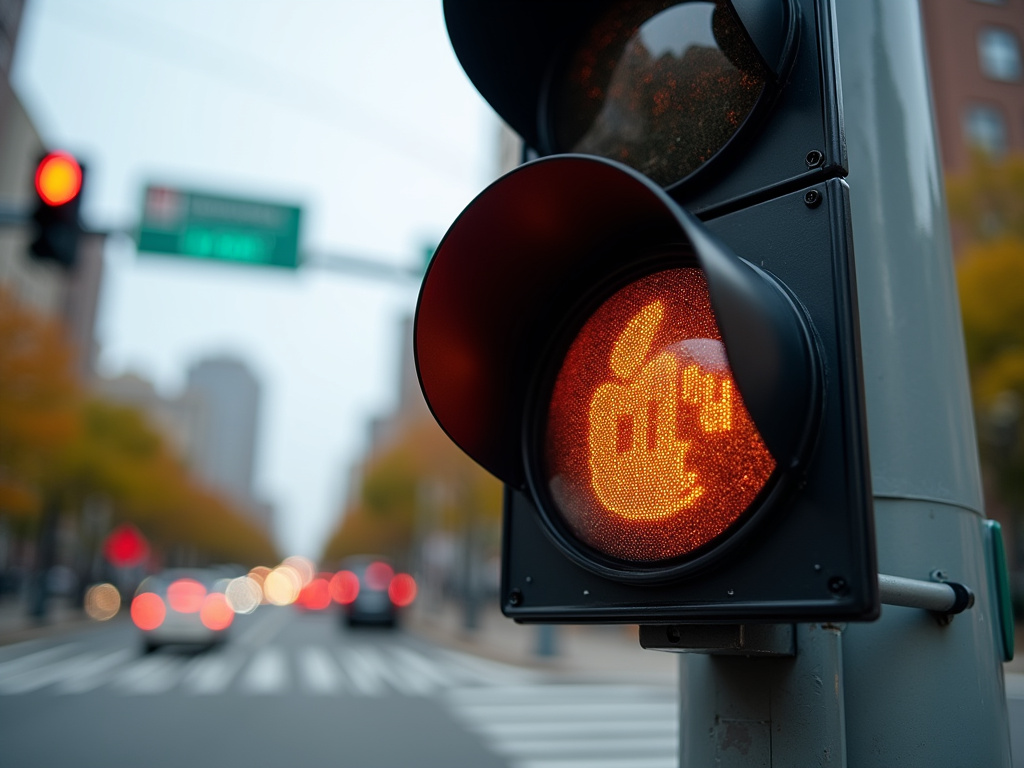
The design and installation of The lights (STLs) offer a compelling blend of technology and sustainability. These lights, powered by SunPower Corporation’s advanced solar panels, are a popular choice for cities aiming to reduce carbon footprints. Unlike conventional blinker lights, STLs use the sun’s energy, making them a green alternative. The system’s modular design, often boasting Enphase Energy’s microinverters, allows for flexible installation and easy maintenance.
Installation involves careful planning. According to the Federal Highway Administration (FHWA), STLs work best in locations with consistent sunlight exposure. Los Angeles County Department of Parks has successfully deployed STLs in its urban parks, taking advantage of high sun exposure. The lights are typically mounted on existing poles, reducing costs and logistical challenges. The American Society of Civil Engineers (ASCE) recommends thorough site assessments to ensure best energy capture and minimal disruption to traffic flow. While initial installation costs can vary, a typical solar blinker light system starts at around $2,000, depending on specifications and local labor rates.
One of the most significant benefits of STLs is their environmental impact. According to the Environmental Protection Agency (EPA), these lights can reduce a city’s carbon emissions by up to 30% in high-sunlight areas. They also offer cost savings over time. A case study by the Green Infrastructure Research Institute (GIRI) found that STLs can pay for themselves within 3 to 5 years, outperforming traditional lights in terms of both energy efficiency and return on investment. STLs are resilient. While some lights may fail quickly due to subbest installation or poor-quality components, well-designed systems can last over 20 years. Regular maintenance and monitoring, made easier with modern smart-light technology, ensure best performance.
The lights represent a promising intersection of renewable energy and urban infrastructure. Their design, installation, and benefits combine to create a compelling case for cities looking to reduce their carbon footprint and optimize energy use. While the upfront costs can be a consideration, the long-term savings and environmental benefits make STLs a worthy investment for any community.
Global Impact and Future Prospects
The global adoption of the lights is a sign of the innovative fusion of renewable energy and urban infrastructure. Initiatives led by entities like the California Department of Transportation (Caltrans) and the Federal Highway Administration (FHWA) have showcased the effectiveness of solar-powered lighting in enhancing road safety and sustainability. A 2020 study by the American Society of Civil Engineers (ASCE) found that the lights can reduce energy costs by up to 80% compared to conventional systems, making them a financially viable option for municipalities.
While the initial cost of a solar blinker—typically ranging from $1,500 to $3,000—may seem steep, the long-term benefits outweigh this initial investment. The lights have a lifespan of 15-20 years, and their energy efficiency means they require little maintenance. This longevity is underscored by the fact that leading manufacturers like SunPower Corporation and Enphase Energy have reported field performance data indicating that their the lights retain over 80% of their initial lumens after 10 years. This solid performance addresses the common concern of why solar lights fail so quickly, providing tangible evidence of their durability.
Looking ahead, the future of the lights appears bright, driven by advancements in technology and growing environmental awareness. The Green Infrastructure Research Institute (GIRI) predicts that global solar street light installations will grow at a CAGR of 18.5% from 2022 to 2030. This growth is not just a trend; it’s a necessary step towards reducing the carbon footprint of urban areas. As cities like New York look to replace traditional street lights with solar alternatives, the market for the best solar street light to buy becomes increasingly competitive. Top-tier manufacturers are responding with innovative designs, ensuring that the next generation of the lights offers improved brightness, adaptability to various weather conditions, and easier installation—all while remaining cost-effective.
Frequently Asked Questions About Solar Traffic Light
What is the light, and how does it differ from conventional lights?
The light is an innovative street lighting solution powered entirely by solar energy. Unlike conventional lights, these are equipped with solar panels that capture sunlight during the day and store it in batteries for night-time illumination. This design eliminates the need for grid electricity, making them highly efficient, environmentally friendly, and cost-effective for municipalities and traffic management authorities.
How do the lights improve traffic safety?
The lights provide consistent and reliable lighting for intersections and road ways, enhancing visibility for drivers, pedestrians, and cyclists. Well-lit areas reduce the risk of accidents and improve overall traffic flow by allowing for clearer identification of stop signs, signals, and crosswalks. This is particularly beneficial in areas with limited access to grid power or where traditional lighting infrastructure is challenging to maintain.
What are the initial costs associated with installing the lights?
The upfront costs for installing the lights can vary based on factors like size, technology, and location. However, they generally offer a good return on investment. While the initial installation may be more expensive than conventional lights, the long-term savings from reduced energy bills, lower maintenance costs, and potential grants or incentives for renewable energy projects can offset these initial expenses over time.
Are the lights suitable for all weather conditions?
The lights are designed to withstand various weather conditions, including rain, snow, and high winds. Their solid construction and weatherproof ratings ensure they can operate reliably year-round. The solar panels, however, might be less efficient in extremely cloudy or snowy conditions, but they still capture enough sunlight to maintain power levels during such periods.
How easy is it to maintain the lights?
The lights require minimal maintenance, making them an attractive option for municipalities. Regular cleaning of the panels to remove dust or debris is recommended to ensure best sunlight absorption. Other than that, these lights are designed for longevity, with durable components that require little replacement or repair. Most issues can be addressed with simple troubleshooting steps outlined in the manufacturer’s guidelines.
Can the lights be integrated with smart city infrastructure?
Absolutely. The lights can be connected to smart city networks, enabling remote monitoring, real-time data collection, and adaptive control. This integration allows for dynamic traffic management, where lights can be adjusted based on traffic volume and conditions, further optimizing safety and flow. Many modern the light systems are already designed with these smart capabilities in mind.
The lights represent a significant leap forward in sustainable transportation infrastructure. The technology, pioneered by companies like SunPower Corporation and powered by advanced microinverters from Enphase Energy, offers not only energy efficiency but also substantial environmental and economic benefits. As demonstrated by successful implementations with the California Department of Transportation (Caltrans) and other urban departments, such as New York City’s, solar-powered traffic lights can reduce carbon emissions and energy costs. The Federal Highway Administration (FHWA) and the American Society of Civil Engineers (ASCE) have both recognized the potential of this technology, validating its role in the future of green infrastructure. The positive community impact, highlighted by the Los Angeles County Department of Parks and the EPA’s environmental research, underscores the broader advantages of integrating the lights into urban fields. Moving forward, the global adoption of this innovative solution promises to play an important part in shaping a cleaner, more sustainable future for transportation systems worldwide.