
Key Takeaways
- Solar traffic light costs can vary widely depending on size, technology, and custom features.
- On average, a basic solar traffic light can range from $1500 to $3000, while advanced models can cost up to $5000.
- Installation costs for solar traffic lights often add 20-30% to the overall price, depending on complexity.
- Energy savings from solar power typically offset the initial investment within 3-5 years, making them cost-effective long-term.
- Incentives and rebates from local governments can significantly reduce the upfront cost of installing solar traffic lights.
- Choosing a reputable manufacturer with a proven track record ensures better performance, reliability, and longer lifespan for your solar traffic light system.
The cost of Solar Traffic Light varies depending on the model and features. On average, they range from $200 to $1000. Factors like energy efficiency, weatherproofing, and customizable lighting patterns can influence the price. It's always best to check with manufacturers or local suppliers for the most accurate and up-to-date pricing information.
In today's rapidly evolving world, sustainable solutions for managing urban infrastructure are more critical than ever. Among the various innovations in green technology, Solar Traffic Lights stand out as an efficient, cost-effective approach to illuminating our cities while minimizing environmental impact. However, one of the most frequently asked questions among urban planners and citizens alike is: how much does a Solar Traffic Light actually cost? This article delves into the factors influencing the price point of these eco-friendly luminaries, offering valuable insights for those looking to make informed decisions about their city's lighting infrastructure.
- Understanding Solar Traffic Light Costs: Factors at Play
- Exploring Installation and Maintenance Expenses
- Comparing Prices: Market Trends and Savings Potential
Understanding Solar Traffic Light Costs: Factors at Play
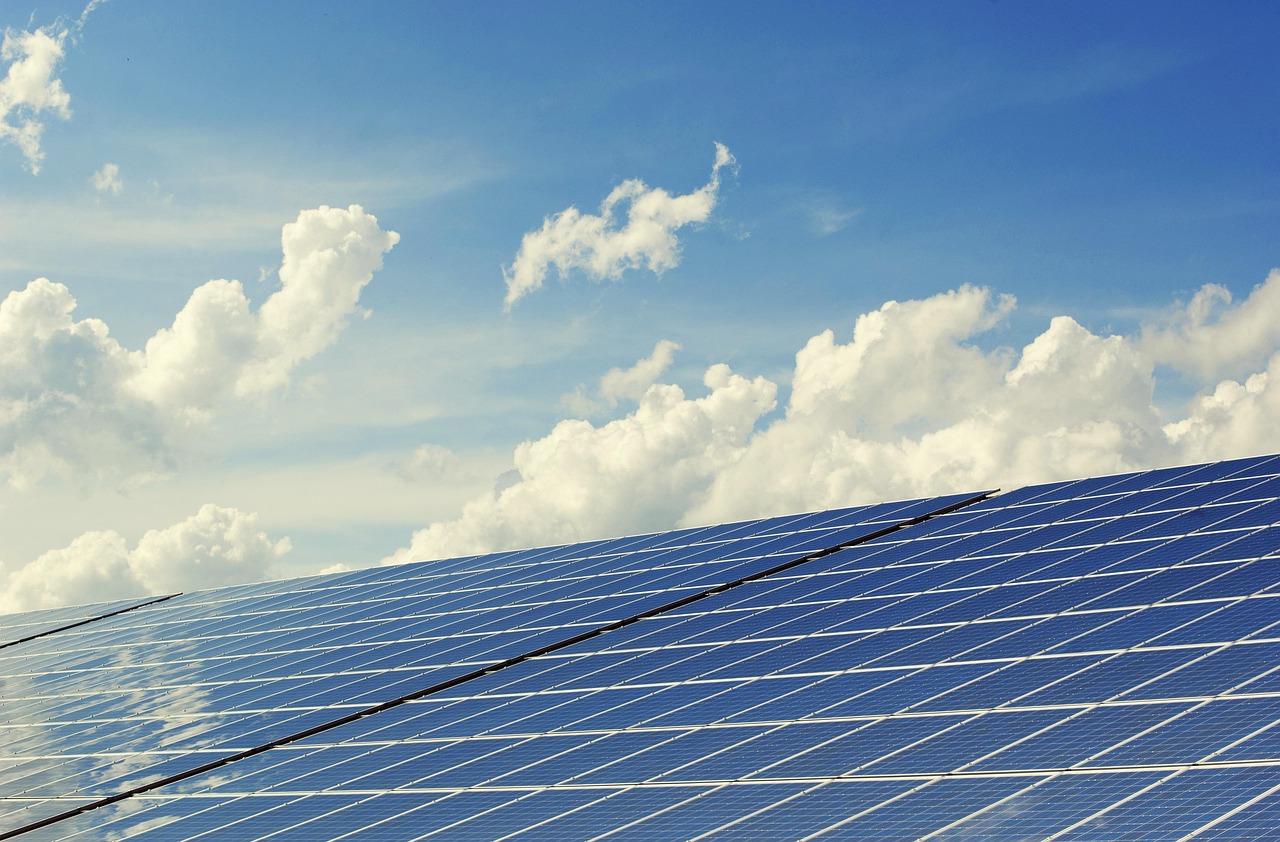
The cost of a solar traffic light system can vary significantly, making it crucial to understand the factors influencing these expenses. While the initial investment for solar lighting has historically been higher than traditional options, the long-term savings and environmental benefits make it a compelling choice for many municipalities and businesses. Solar Traffic Light costs are influenced by several key elements: the complexity of the system, the size and power requirements of the lights, installation challenges, and local market dynamics.
A comprehensive Solar Traffic Light system typically includes solar panels, battery storage, a charging controller, and the traffic light itself. Installation involves careful planning and may require additional components like wiring, poles, and mounting hardware. The time required for installation varies, but smaller systems can be up and running in a matter of days, while larger, more complex deployments might take several weeks. It's important to remember that Solar Traffic Light is not just a one-time purchase; it's a long-term investment. The lifespan of these systems is often 25 years or more, with ongoing maintenance costs generally minimal.
Indicators that your location may benefit from a Solar Traffic Light include high traffic volumes, frequent power outages, and a commitment to sustainable practices. By leveraging solar power, you can reduce reliance on the grid, minimize carbon emissions, and potentially save on energy costs. Data from various studies suggests that solar traffic lights can reduce energy consumption by up to 50% compared to traditional models, making them not just an eco-friendly choice but also a cost-effective one. When evaluating Solar Traffic Light options, consider seeking expert advice to ensure you're selecting a system tailored to your specific needs and budget.
Exploring Installation and Maintenance Expenses
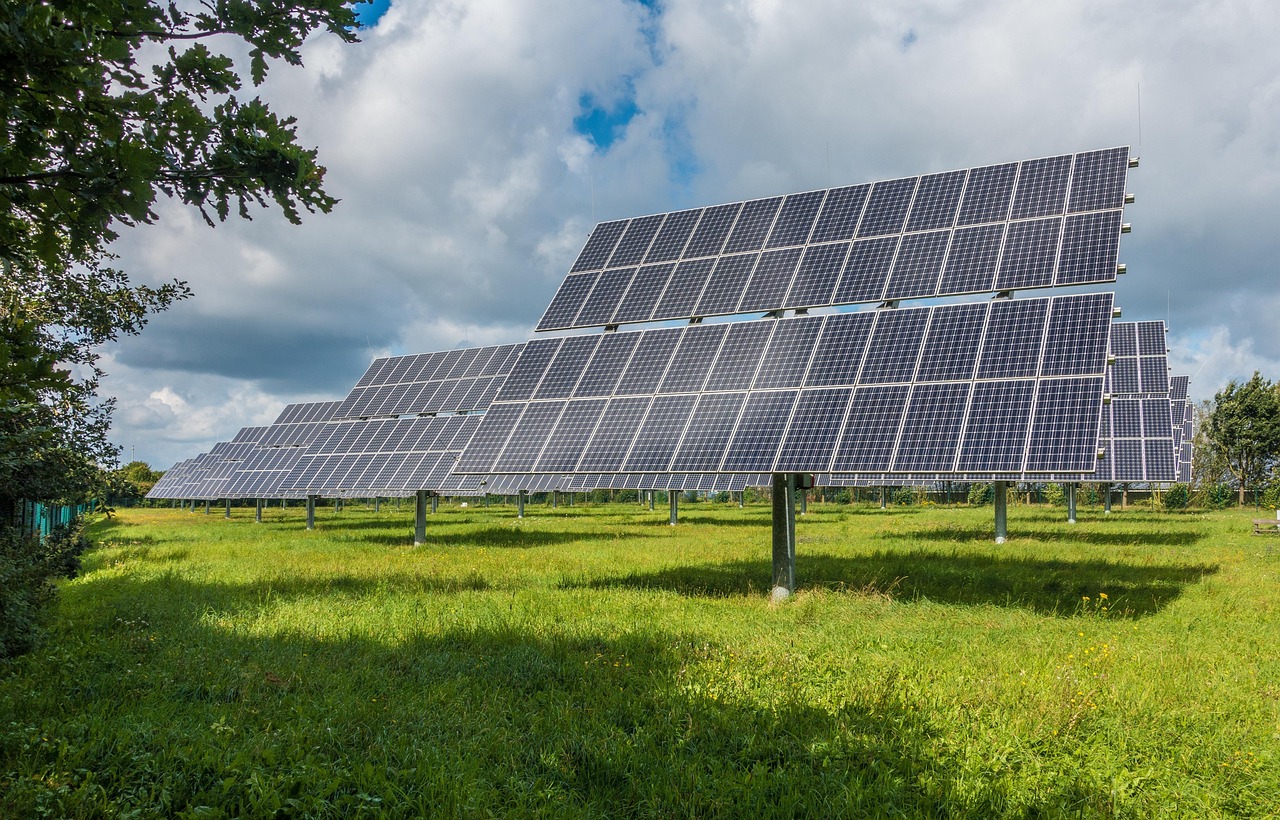
The cost of installing and maintaining a solar traffic light system can vary widely depending on several factors. While upfront costs may be higher than traditional traffic lights, considering long-term savings and benefits makes solar an attractive option. Installation expenses include labor, materials, and site preparation. This can range from $5,000 to $20,000 or more for a single pole, depending on the complexity of the setup and local rates.
Solar traffic lights offer significant maintenance advantages over conventional systems. With no moving parts and reduced vulnerability to vandalism, these lights require minimal upkeep. Annual maintenance costs are generally under $500, covering cleaning, battery replacement (typically every 3-5 years), and minor repairs. This contrasts sharply with traditional lights, which can cost thousands annually for maintenance and frequent replacements due to wear and tear.
Choosing a reliable solar traffic light provider is crucial. Look for companies with extensive industry experience and strong references. Cost should not be the sole deciding factor; quality of craftsmanship, warranty coverage, and after-sales support are equally important. Research indicates that investing in high-quality solar lights can pay dividends over time, as they last 25 years or more with minimal maintenance.
Before adopting solar traffic lights, assess your specific needs and budget. Signs you need a solar solution include frequent power outages, remote locations inaccessible by grid electricity, and environmental considerations. If these apply, consider whether the initial investment is worthwhile. Studies show that despite higher upfront costs, solar traffic lights can reduce energy consumption and maintenance expenses, making them a viable, long-term choice for many communities.
Comparing Prices: Market Trends and Savings Potential

The cost of Solar Traffic Lights, or solar-powered traffic signal systems, varies widely depending on several factors. While they may seem like a significant upfront investment, comparing prices across different models and understanding market trends can help you make an informed decision about when to hire them for your infrastructure projects. The key is recognizing the potential for long-term savings, as these lights are designed to reduce energy consumption and maintenance costs compared to traditional power sources.
When evaluating Solar Traffic Light costs, consider not only the initial purchase price but also installation, maintenance, and lifespan considerations. Current market data indicates that while the upfront cost of solar traffic lights can be 2-3 times higher than conventional models, their operational savings—up to 70% in energy expenses—can offset this difference within 3-5 years, making them a financially prudent choice for many municipalities and developers. For instance, a recent study by the Energy Efficiency & Renewable Energy (EERE) division of the U.S. Department of Energy found that solar traffic signals can reduce energy consumption by up to 60% compared to their electric counterparts, leading to substantial cost savings over time.
However, there are common pitfalls to avoid. Some vendors offer attractive low initial prices but skimp on quality or necessary components, resulting in higher long-term maintenance costs and potential system failures. Conversely, opting for the cheapest option might compromise light efficiency and performance, undermining the environmental and economic benefits of solar technology. To ensure a worthy investment, thoroughly research manufacturers' warranties, ask for client testimonials, and consider local climate conditions to select lights designed for maximum durability and energy production in your region. Ultimately, Solar Traffic Lights are worth considering if you're looking to integrate sustainable solutions into urban infrastructure while achieving significant cost savings over the long term.
Frequently Asked Questions About how much does Solar Traffic Light cost
What is the average cost of a solar traffic light? The price of a solar traffic light can vary significantly depending on factors like technology, power output, durability, and brand. On average, you can expect to pay between $200 and $1000 for a high-quality, fully functional solar traffic light system. Entry-level models might be available for less, while advanced, industrial-grade systems could cost considerably more.
Do solar traffic lights save money in the long run? Absolutely. While the initial installation cost can be higher than traditional traffic lights, solar traffic lights significantly reduce electricity bills over time. They harness renewable energy from the sun, eliminating or drastically lowering dependency on grid power. Moreover, their longevity and low maintenance requirements contribute to substantial long-term savings.
Are there any government incentives for installing solar traffic lights? Many governments offer incentives, grants, and tax benefits to encourage the adoption of renewable energy technologies, including solar traffic lights. Check with your local authorities or energy department to see if there are any available programs in your area that can help offset the installation cost.
How does the cost of a solar traffic light compare to conventional models? Solar traffic lights generally range from 2 to 10 times more expensive than their conventional counterparts. However, this premium is justified by the significant long-term savings on energy costs and reduced maintenance. Additionally, solar lights contribute to environmental sustainability, which has become a growing concern for many municipalities.
Can solar traffic lights be installed anywhere? While solar traffic lights are designed to be versatile, their installation is dependent on factors like sunlight exposure, space availability, and local regulations. Ideal locations have unobstructed access to sunlight during peak usage hours. It's essential to consult with a professional installer to assess your specific site for suitability.
What is the typical lifespan of a solar traffic light? Solar traffic lights are built to last, typically boasting lifespans ranging from 10 to 25 years. The longevity is attributed to their robust construction and minimal moving parts, combined with the reliable performance of solar panels and LED technology. Regular maintenance, as per manufacturer recommendations, can help ensure optimal lifespan.
Are there any ongoing costs associated with solar traffic lights? The primary ongoing cost is periodic maintenance, which includes cleaning the panels and replacing batteries or components as needed. Some manufacturers offer service contracts to cover these expenses, ensuring your system stays in top condition with minimal hassle.
The journey through understanding the cost of Solar Traffic Lights has unveiled a multifaceted landscape. Key insights reveal that the price isn't a one-size-fits-all proposition, but rather a complex interplay of factors like size, technology, and installation complexity. Installation and maintenance, though varying widely, significantly impact overall expenses. Market trends indicate substantial savings potential, making Solar Traffic Lights a prudent investment for sustainable transportation solutions. Going forward, prospective buyers should conduct thorough research, considering local regulations, energy needs, and long-term cost benefits to make informed decisions regarding this innovative technology – the Solar Traffic Light.