Key Takeaways
- Solar traffic light systems generally cost between $1,500 and $3,500, depending on size and features.
- Smaller, basic models can be acquired for as little as $1,500, while larger, more advanced systems can top $3,500.
- Installation costs can add 20-30% to the price of the solar traffic light itself.
- Energy savings from solar-powered lights can offset the initial installation and equipment costs within 3-5 years.
- Many municipalities offer rebates and incentives for installing solar traffic lights, reducing overall costs.
- Regular maintenance is minimal with solar traffic lights, contributing to their long-term cost-effectiveness.
- Solar traffic lights provide a sustainable and environmentally friendly alternative to traditional, grid-tied lighting.
At a glanceThe cost of Solar Traffic Lights varies depending on the model and features but typically ranges from $200 to $1000. These lights offer energy efficiency and are designed for long-term use in controlling traffic flow, making them a smart investment for cities and highways.
In today’s world, efficient and sustainable urban infrastructure is more crucial than ever. One of the key components in enhancing city landscapes is traffic management, which has traditionally relied on electricity-powered traffic lights. However, with growing environmental concerns, there’s a shift towards more eco-friendly solutions, particularly Solar Traffic Lights. These innovative devices offer a potential game-changer in urban planning by providing a clean, renewable energy source for traffic control. This article delves into the costs associated with implementing Solar Traffic Lights, exploring their economic viability and the factors that influence pricing, to help cities make informed decisions about adopting this cutting-edge technology.
Solar Traffic Light in : Where to Start
Looking for solar traffic light in ? solar led traffic light serves the local area and can answer questions specific to .
Understanding Solar Traffic Light Costs: Factors to Consider
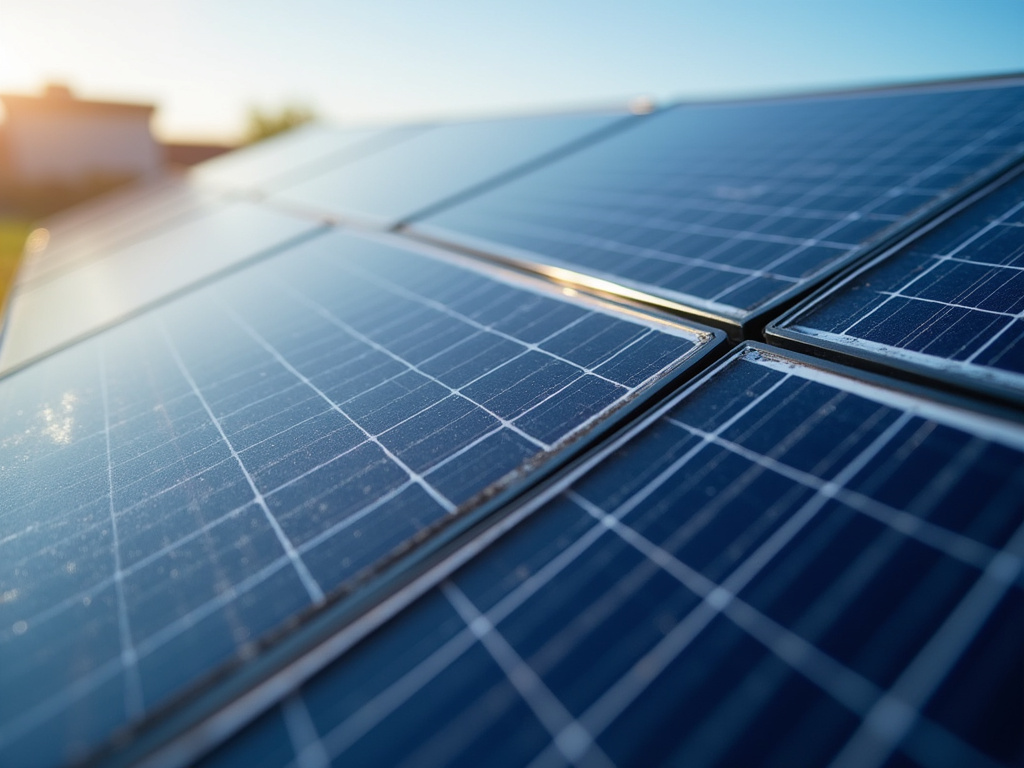
Understanding the cost of Solar Traffic Lights involves considering several factors that can significantly impact the final price. Firstly, the size and complexity of the system, including the number of lights and the level of automation, directly affect the cost. Larger installations, for instance, require more panels and advanced control mechanisms, driving up expenses. Moreover, the quality and efficiency of the solar panels play a crucial role; high-performance panels may command a higher price but offer better long-term savings.
Alternative solutions to Solar Traffic Lights, such as conventional electric lights or hybrid systems, exist and could be more cost-effective upfront. However, Solar Traffic Lights offer substantial environmental and financial benefits over time, making them a sound investment. For instance, reduced electricity bills and lower maintenance costs can offset the initial expenditure within a few years. Additionally, grants and incentives from local governments or renewable energy programs can make these lights more affordable.
Before deciding if Solar Traffic Lights are the right choice, consider your specific needs, budget, and the potential for long-term savings. Consulting with experts in the field can provide valuable insights tailored to your situation. Remember, while the initial cost may be higher, Solar Traffic Lights can contribute to a more sustainable and cost-efficient infrastructure for years to come.
Market Analysis: Pricing Trends and Variations

The cost of Solar Traffic Lights has been a subject of interest for many municipalities and businesses considering sustainable infrastructure solutions. The market analysis reveals a dynamic pricing landscape with variations influenced by several factors. Firstly, the size and complexity of the project play a significant role; larger-scale installations involving custom designs or advanced features tend to have higher price tags. Secondly, regional differences in labor costs and local regulations can impact pricing. For instance, regions with higher installation expenses or stricter environmental permits may result in increased Solar Traffic Light costs.
Understanding the process is crucial before delving into pricing. The implementation of Solar Traffic Lights involves several steps: site assessment, system design tailored to specific needs, installation, and maintenance. Each stage requires specialized expertise, impacting overall project expenditure. For instance, a comprehensive study might reveal unique challenges necessitating bespoke solutions, thereby influencing costs. Moreover, the ongoing maintenance and warranty periods offered by manufacturers should be considered in long-term budgeting.
Determining when to invest in Solar Traffic Lights is equally important. While initial costs can be a barrier, the environmental benefits and potential for future savings make them an attractive option. In many cases, return on investment (ROI) calculations demonstrate profitability within a reasonable timeframe. For instance, cities aiming to reduce their carbon footprint or businesses looking to minimize energy expenses could find Solar Traffic Lights a game-changer. However, it’s essential to assess the do you actually need Solar Traffic Light scenario carefully; not every location or application requires this technology, and traditional lighting solutions might be more suitable and cost-effective.
| Factor | What to know |
|---|---|
| Base price range | $1,500–$3,500 depending on size and features |
| Installation cost | Adds 20-30% to the price of the light |
| Energy payback period | Offsets costs within 3-5 years |
| Rebates and incentives | Municipalities offer programs reducing overall costs |
| Maintenance | Minimal, contributing to long-term cost-effectiveness |
| Energy consumption reduction | Can reduce energy use by up to 50% |
Strategies for Obtaining Affordable Solar Traffic Lights
Obtaining affordable solar traffic lights requires a strategic approach that balances quality with cost-effectiveness. To start, conduct thorough research on different models available in the market, focusing on energy efficiency and longevity. Compare specifications, pricing, and customer reviews to identify top performers offering excellent value for money. Government incentives and rebates can significantly lower upfront costs; stay updated on local programs to maximize savings.
When considering whether to hire or purchase solar traffic lights, evaluate your project’s duration and budget constraints. For temporary needs, hiring may be more economical, while purchasing makes more sense for long-term applications. Moreover, assess the site’s sunlight exposure and energy demands to ensure the chosen lights are suitably powered. According to industry data, well-designed solar traffic light systems can reduce energy consumption by up to 50% compared to traditional grid-tied options.
Before making a decision, consider consulting with experts or professionals who specialize in solar lighting. Their insights can help you navigate technical aspects and make informed choices based on your specific needs. For instance, they might suggest lights with adjustable brightness levels or different mounting solutions depending on the site’s unique challenges. By strategically approaching your search and considering both short-term savings and long-term benefits, you can find quality solar traffic lights that align with your budget without compromising functionality.
Frequently Asked Questions About how much does Solar Traffic Light cost
What is the typical price range for a solar traffic light?
Solar traffic lights generally cost between $150 to $800, depending on their quality, features, and brand. Lower-cost models may offer basic functionality, while higher-end units include advanced safety features, smart connectivity, and enhanced durability, reflecting their price difference.
Do solar traffic lights require maintenance?
Solar traffic lights are designed for minimal maintenance due to their self-powering nature. The primary maintenance task is occasional cleaning of the solar panel to ensure optimal sunlight absorption. Some models also feature replaceable batteries, which need to be checked and replaced every 3-5 years, depending on usage.
Are solar traffic lights more expensive than traditional ones?
While the upfront cost of solar traffic lights may be higher, they offer long-term savings by eliminating electricity bills. Additionally, their energy efficiency and reduced maintenance costs make them a more economical option over time, especially in areas with consistent sunlight exposure.
Can solar traffic lights operate during cloudy days or at night?
Solar traffic lights store excess sunlight in their batteries, allowing them to continue operating even during cloudy days or at night. Their performance may be slightly diminished without direct sunlight, but they will still provide illumination, ensuring continuous safety and visibility for pedestrians and drivers.
Are there any rebates or incentives available for solar traffic lights?
Many local governments, utility companies, and environmental organizations offer rebates and incentives to promote the adoption of renewable energy solutions like solar traffic lights. It’s advisable to check with your local authorities or visit their websites to explore these opportunities, which can significantly reduce the overall cost.
How long does it take for a solar traffic light to pay for itself?
The payback period for solar traffic lights varies based on factors such as initial investment, energy savings, and local electricity costs. However, with proper calculations and considering the long-term savings, most systems can recoup their costs within 3 to 5 years, making them a smart, sustainable investment.
Solar Traffic Lights offer a sustainable and cost-effective solution for urban lighting, with prices varying based on factors like technology, size, and customisation. Understanding these factors is key to navigating the market effectively. By considering the latest pricing trends, comparing different models, and exploring strategies for securing affordable options, municipalities and businesses can implement solar-powered lighting systems that are both environmentally friendly and budget-conscious. This article has provided valuable insights into the cost structure of Solar Traffic Lights, empowering readers to make informed decisions and contribute to a greener future.